Cave Noire - The Forgotten Rougelike on Gameboy
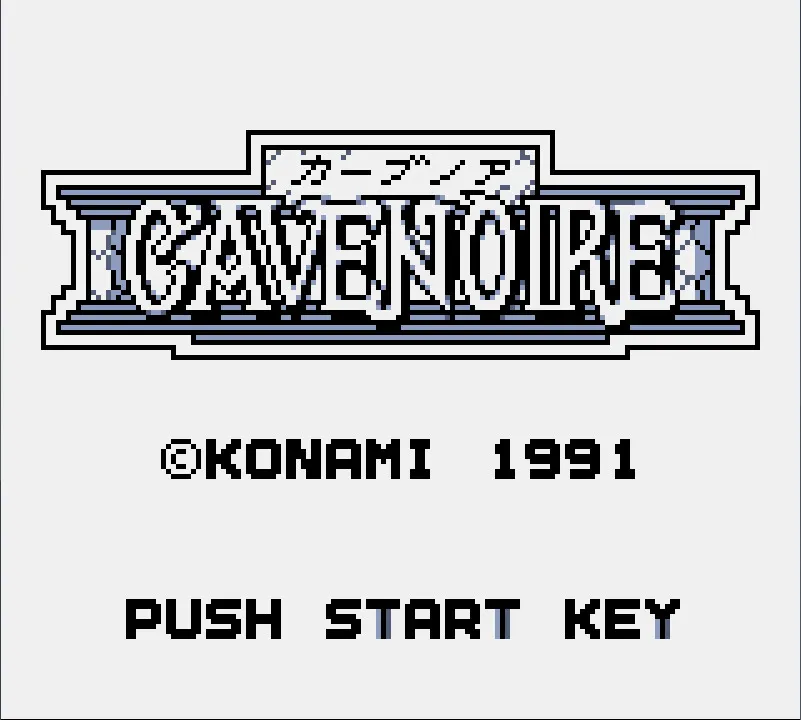 The history of roguelike games is a storied one. Just checking the wikipedia page elicits a surprisingly diverse catalog of games that are said to have been inspired by the text-based ASCII dungeon crawler, ‘Rogue’. Created in 1980 by Michael Toy and Glenn Wichman, Rogue was revolutionary for a few reasons: Procedurally generated dungeons (meaning the game is never the same twice), Treasure collection, and Permadeath (which means if you die, you start over) to name a few.
Following the creation of Rogue, a new genre of games began to emerge in the 80′s which became known as ‘Rougelikes’ - These games are known as such because they continue to adpot the core mechanics of Rogue, such as Permadeath, Turn-Based Movement, Procedural Generation, Loot, and RPG elements. According to the history of roguelikes, the genres’ entry into console gaming began in 1990 with the release of Sega’s Fatal Labyrinth. While Fatal Labyrinth takes this title for home consoles, the first mobile console entry of the genre, unmentioned in Wikipedia (and interestingly not even on Wikipedia), is Konami’s 1991 ‘Cave Noire’ for the Nintendo Gameboy.
Cave Noire is not only the first mobile console roguelike ever, it’s a near perfect roguelike in both the classical and modern definitions of the genre. You play a dungeon crawler who is trying to prove themselves by clearing a series of challenges in four dungeons. These dungeons each have a specific goal needed to complete each challenge, and the maps for the dungeons are procedural.
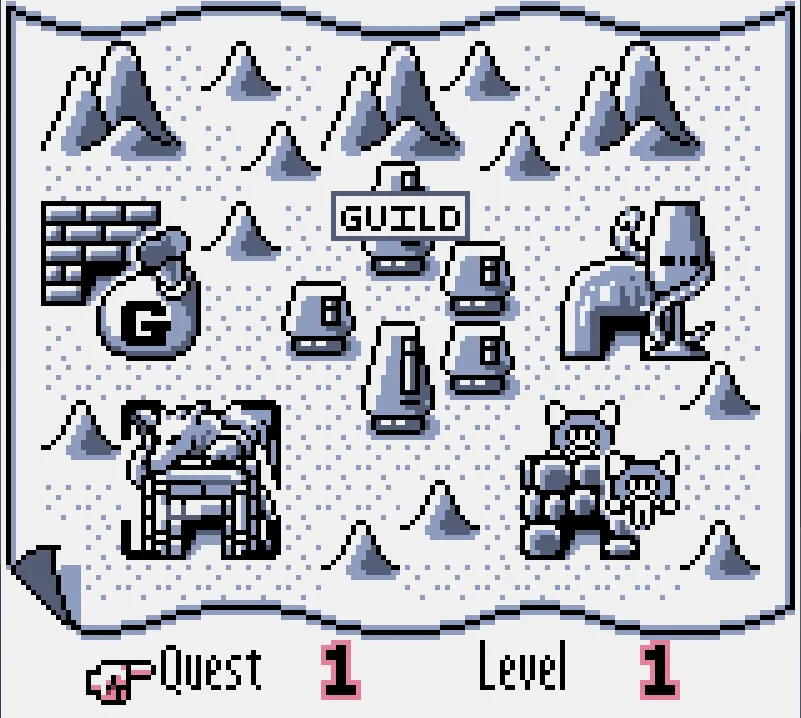
True to the format, the first few stages are easy enough, focusing on teaching you the core mechanics of the game and it’s monsters through gameplay. However, the difficulty curve is steep and unforgiving - it becomes apparent very quickly that this game is a lot more complex than it lets on. Using only a few simple enemies, items, goals, and mechanics, the game is able to increase its complexity and difficultly dynamically, which creates a very pleasing experience for the player.
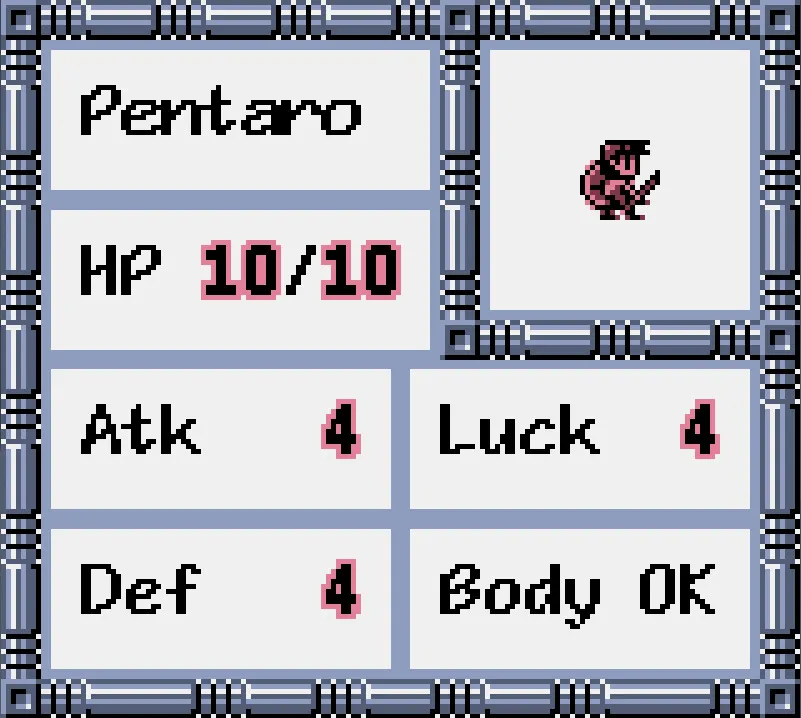
Interestingly, a lot of the limitations of the Gameboy serve as advantages here. The turn based movement and combat is a necessity with the simplistic controls and screen - yet, because of the genre, the mechanics are seamless and uninterrupted on the console. The sprites used in game are, for the most part, clear and concise, conveying their purpose and intention clearly in their movements and appearance. This is a triumph, as the low-contrast Gameboy screen and blurry pixelation are not barriers to your understanding of the game. even the aspect ratio and size of the screen are used to great effect - the square tilesets of the game, bordering of the UI, and boldness of the fonts make every action and every decision clear when they are made.
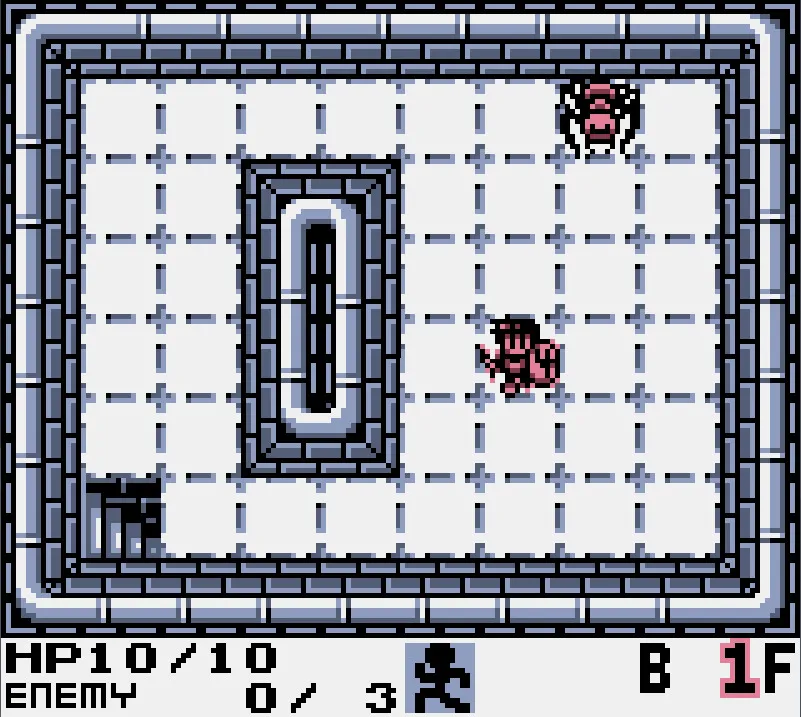
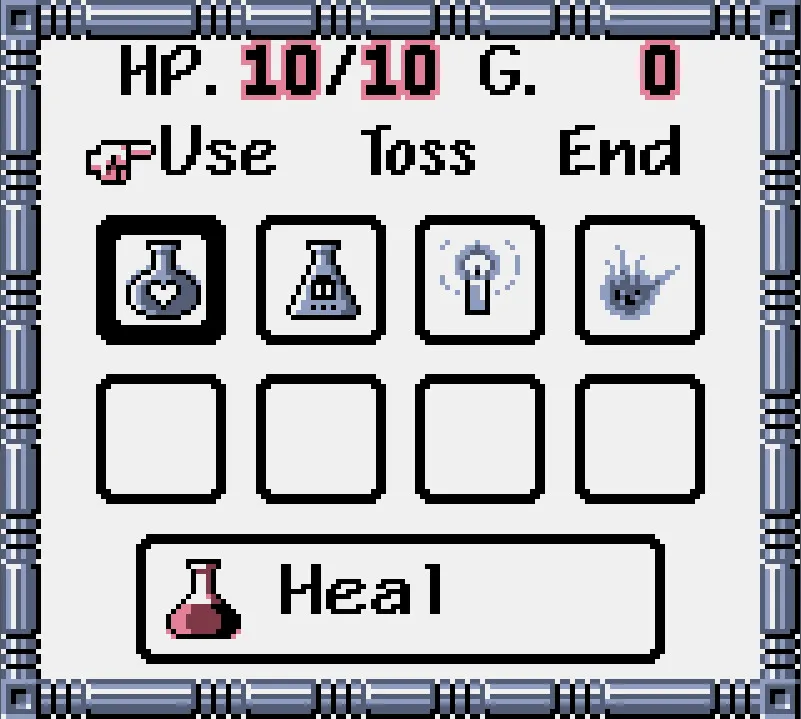
Part of the fun of this game is its mystery. While your available actions and goals are clear, the effect they have on monsters or the player are not - This is a very intentional choice by the designers. It allows the player to learn from their mistakes, and to approach each new challenge with caution.
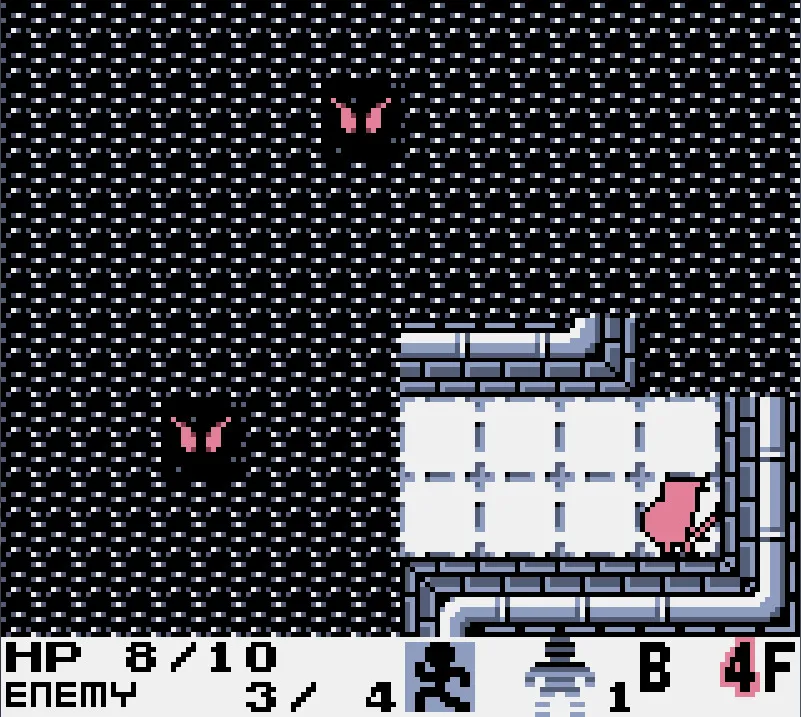
Another mechanic employed in the game is the intelligent use of darkness (fog of war) in the lower dungeons. Once your descend to a certain level, the player starts being unable to see the whole room until the area is explored. Only the eyes of monsters are shown, which gives you no real sense of scale or danger until they are revealed, often too late. This adds another dimension of play to the game, and often adds serious difficulty to an already tense situation.
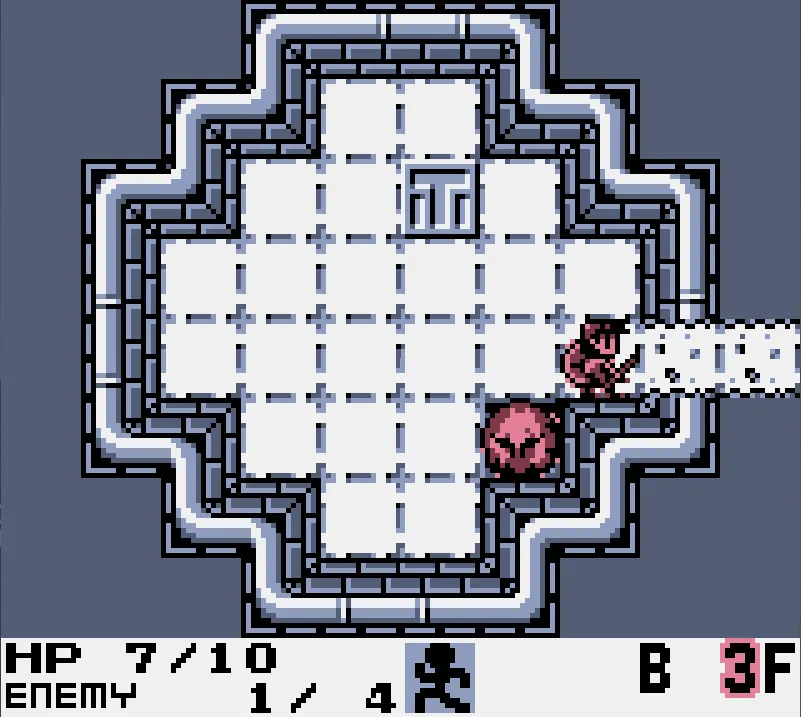
There are even hidden passageways that you have to uncover, usually tucked behind annoyingly obstructive monsters, and they lead to successive rooms filled with more loot, exits, and monsters.
All in all, this game has serious Roguelike chops. It’s difficult for its time, its well designed, concise, and fun. In my opinion, this is a severely overlooked masterpiece, deserving of a much higher place in the Roguelike history books than it currently holds.